acromegaly in cats prognosis
The primary goal of therapy is to achieve a good quality of life through combating the primary disease process andor secondary complications and ideally both. Cat Diseases diagnosis Cat Diseases radiotherapy.

Acromegaly In Cats The Veterinary Nurse
Other clinical signs due to this disease are.

. Most affected cats eventually die of congestive heart failure chronic kidney failure or complications of the growing pituitary tumor. This is true for acromegaly in other species as. Excessive growth hormone in cats is also called acromegaly or hypersomatotropism.
It is a somewhat rare condition which occurs when the cats pituitary gland located at the base of the brain grows a. Congestive heart failure renal failure Kidney. A conservative or definitive approach can be chosen alongside addressing acromegaly-associated complications.
One of the first signs or symptoms of Acromegaly is difficult to control diabetes and insulin resistance leading to very or even extremely high doses of insulin being. The prognosis for feline acromegaly varies and can be very difficult to predict for an individual cat. The average cat survived 25 months after SRT meaning that half of the cats lived a longer time and half lived a shorter time.
The longterm prognosis is relatively poor however and most cats die of. Confirming a tentative diagnosis of acromegaly is not simple. In this pathology a characteristic symptom is the development of type II diabetes mellitus due to hormone-induced insulin resistance.
The condition is oftentimes difficult to diagnose as the symptoms are. However cats of any age or sex can develop acromegaly. A blood test called IGF-1 is most commonly used.
This tends to increase in size creating problems even at. IGF-1 levels rise with chronically high growth hormone levels but insulin treatment can do the same thing which is problematic since cats with acromegaly often are already being treated for diabetes and untreated diabetics can have. The prognosis for feline acromegaly varies and can be very difficult to predict for an individual cat.
Acromegaly Cushings Disease and Feline Diabetes. Acromegaly in cats is a condition in cats caused by excessive growth hormone in the body which is usually secondary to a pituitary tumor explains Dr. Survival time 8-30 months.
Acromegaly in Cats Causes. Feline acromegaly has its origin in an adeno-hypophyseal lesion or an adenoma responsible for deregulation in the production of GH the growth hormone. This is most often caused by an abnormal growth or tumor in the pituitary gland and the hormones may vary somewhat.
Acromegaly is most commonly seen in older 10 years old neutered male cats that have insulin-resistant diabetes mellitus. Fortunately it is considered an uncommon disease although experts feel that it is probably underdiagnosed. Chronic kidney disease neurological signs or euthanazed due to painful polyarthropathy.
The symptoms of acromegaly in cats are generated both by the effects of GH and by the compression of the tumor in the brain. Acromegaly in cats is commonly. Most die of complications eg congestive heart failure Heart.
Feline acromegaly is a disease characterized by excessive growth hormone secretion leading to a wide array of clinical signs caused by the hormones effects on multiple organ systems. The keys to diagnosing Feline Acromegaly. Pasireotide for the Medical Management of Feline Hypersomatotropism Why vets are often missing the cause of Feline Diabetes.
Print off the owner factsheet on Acromegaly in cats Acromegaly in cats to give to your client. Clinical challenges There is no single. Feline acromegaly is most commonly caused by a functional pituitary tumor.
Mild cardiac disease can be managed with diuretics and vasodilators. Middle-aged and older male cats are the most commonly affected. Definitive diagnosis can be difficult because of the gradual disease onset subtle clinical signs unavailability of relev.
An essential differential diagnosis for the difficult diabetic. The catabolic actions of growth hormone include insulin antagonism and lipolysis. Acromegaly is characterized by chronic excessive growth hormone GH secretion by the pituitary gland.
Other signs that acromegaly may be present include a broadened face growing paws and a protruding jaw or growing lengthening teeth and gums. Insulin resistance is generally controlled satisfactorily by using large doses of insulin divided into several daily doses. These effects can be divided into two major classes.
The diagnosis of acromegaly is made with a blood test IGF-1 levels and then confirmed with a CT CAT scan andor MRI enlargement of the pituitary gland is seen. Common symptoms associated with insulin resistance include weight loss despite a good appetite and increased thirst and urination. 1 a subpopulation of these 59 cats was submitted for further tests in order to conclusively establish a diagnosis.
Long thought to be quite rare in cats there is increasing understanding that Acromegaly or Hypersomatotropism is more prevalent than thought. Feline acromegaly has its origin in an adeno-hypophyseal lesion or an adenoma responsible for deregulation in the production of GH the growth hormone. Specialists confirm the definitive diagnosis through imaging and by measuring the levels of certain hormones in the blood.
Acromegaly in Cats Symptoms. Survival time 8-30 months. Insights into veterinary endocrinology.
Acromegaly in cats is mainly caused by the presence of a pituitary adenoma that is a non-malignant but productive tumor responsible for the overproduction of growth hormone. Acromegaly is a condition that comes about when something affects your cats pituitary gland and causes it to secrete more growth hormones than are necessary. J Feline Med Surg.
Feline acromegaly is a disease caused by secretion of excessive growth hormone GH. Weight loss in cats. Acromegaly in cats causes multiple complications.
Find details on Acromegaly in cats including diagnosis and symptoms pathogenesis prevention treatment prognosis and more. The source of the growth hormone is a tumor of the pituitary gland. In most studies at least 23 cats had improved symptoms and 50-92 had improved control of their diabetes.
Feline acromegaly is caused by a pituitary adenoma that secretes excessive amounts of growth hormone. Characteristic effects of excessive growth hormone secretion include the development of diabetes mellitus and growth of the acral segments of the body jaw extremities skull etc. Congestive heart failure renal failure Kidney.
Acromegaly should be considered in any diabetic cat with insulin resistance. Sometimes owners will. The short-term prognosis in cats with untreated acromegaly is fair to good.
Acromegaly in cats is mainly caused by the presence of a pituitary adenoma that is a non-malignant but productive tumor responsible for the overproduction of growth hormone. Acromegaly is a relatively rare condition caused by excessive hormone production in the brain or in mammary gland breast tissue. These often include unusual growths in the cats face abdominal enlargement and cardiomyopathy or heart disease.

Acromegaly In Cats The Veterinary Nurse
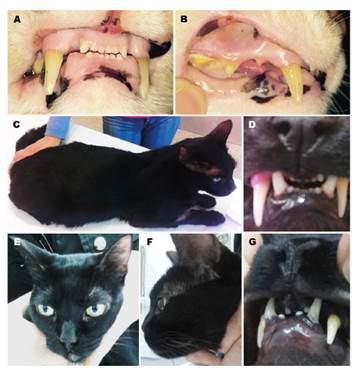
Pharmacological Treatment With Cabergoline In Three Cats With Acromegaly
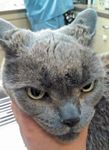
Feline Acromegaly The Keys To Diagnosis

Noah S Ark Veterinary Clinic
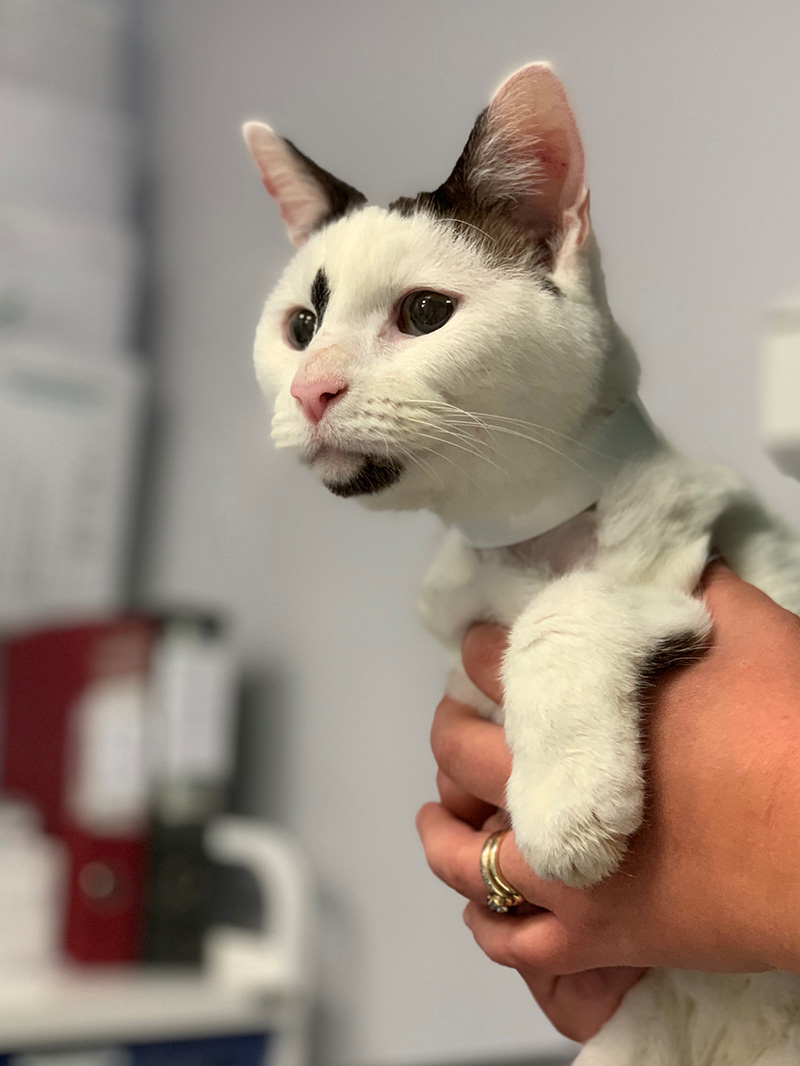
Pioneering Hypophysectomy Treatment Reaches 100 Case Milestone

Update On Feline Acromegaly Niessen 2013 In Practice Wiley Online Library
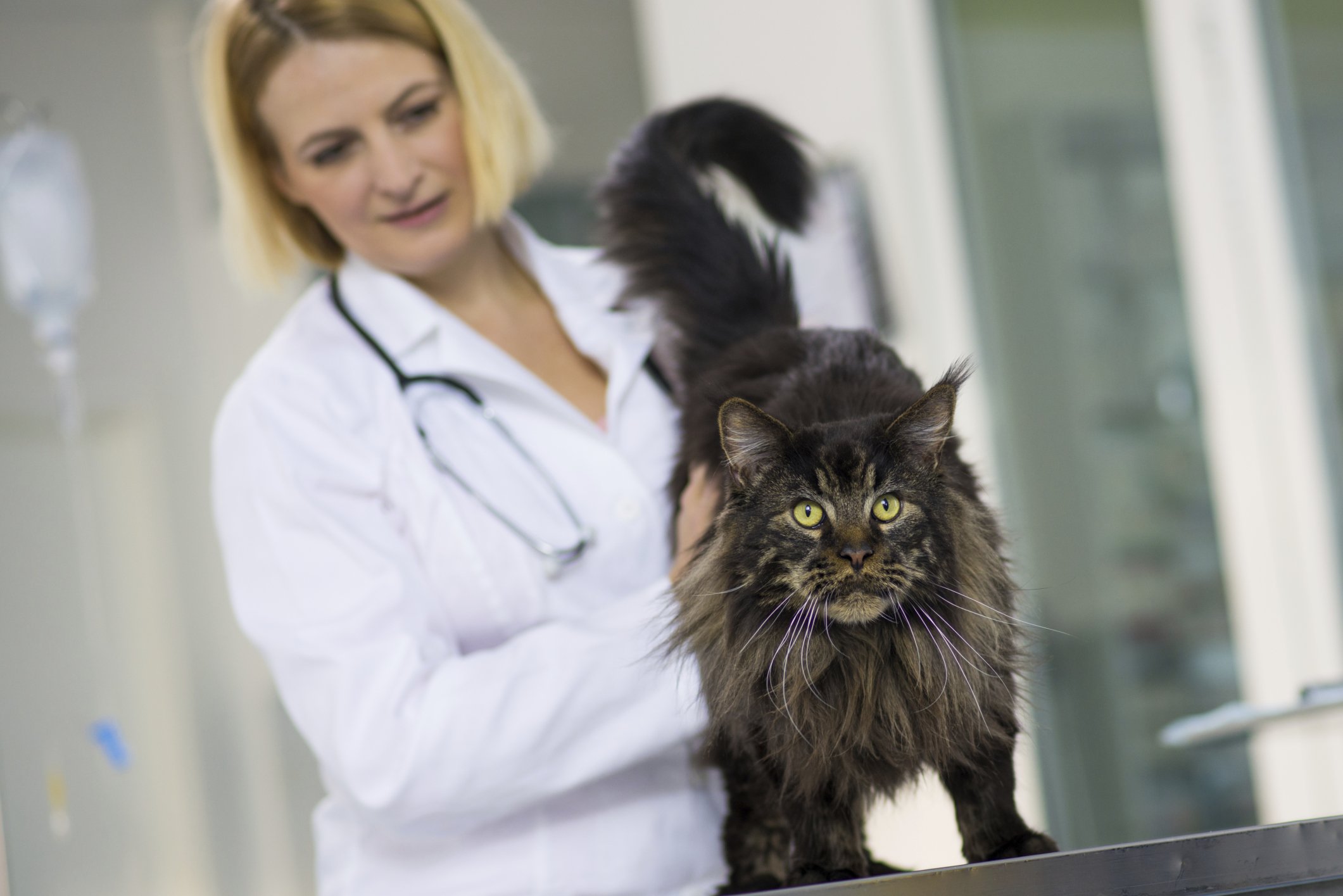
Diagnosis Feline Acromegaly Tufts Catnip
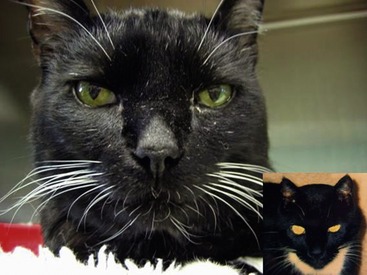
Acromegaly Veterian Key

Feline Acromegaly What Is It

Tumors Of The Endocrine System Veterian Key

Acromegaly In Cats The Veterinary Nurse

Insulin Dependent Diabetic Cat Study

Acromegaly In Cats The Veterinary Nurse

Acromegaly In Cats Symptoms Diagnosis And Treatment
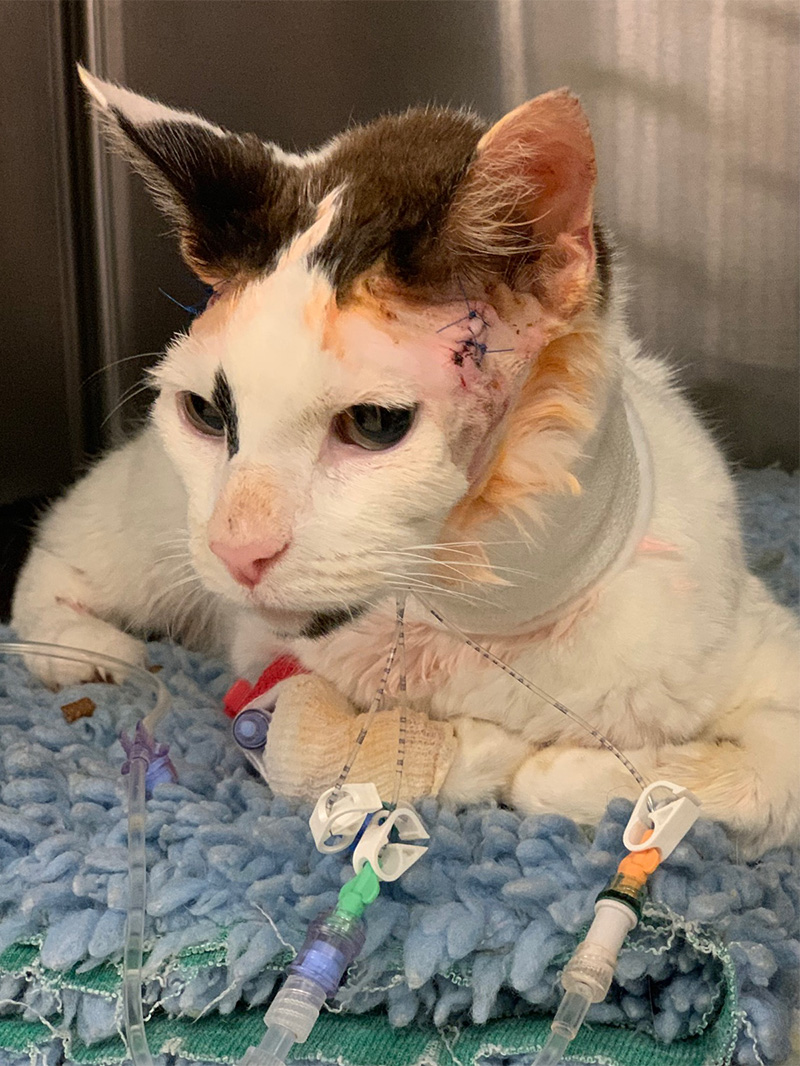
Pioneering Hypophysectomy Treatment Reaches 100 Case Milestone
Acromegaly In Dogs And Cats Sciencedirect

Example Of A Cat Before And After Onset Of Hs Induced Changes Photo A Download Scientific Diagram

Paws Of An Overtly Acromegalic Cat This Figure Shows A Cat With Download Scientific Diagram

Pdf Acromegaly In A Non Diabetic Cat